5 No-Clutter Systems That Actually Work in Small Apartments
In this article
You tidy up. Two weeks later it’s a mess again.
The problem isn’t your habits. It’s that you don’t have a system, just a pile of objects with no permanent home.
These five no-clutter systems are built for small spaces and busy people. They work because they remove the decision-making from staying organized.
The core idea: clutter builds up when things don’t have a fixed home. Fix that, and the mess stops coming back.
Why small apartments get cluttered faster
In a small space, there’s nowhere to hide clutter.
A large house has spare rooms, hallways, and storage corners. A studio or one-bedroom doesn’t.
Every item you own is visible. Every pile is front and center.
That’s why clutter in small apartments feels overwhelming fast, and why your system needs to be stricter, not more forgiving.
5 no-clutter systems for small apartments
1) Give everything a fixed home
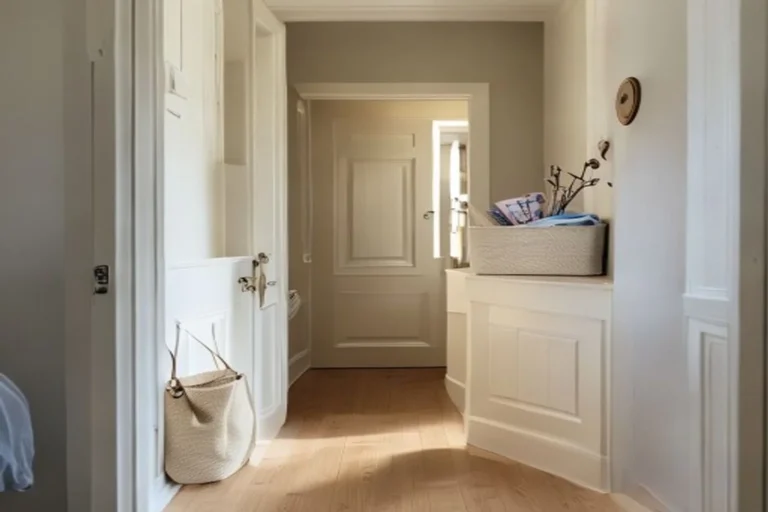
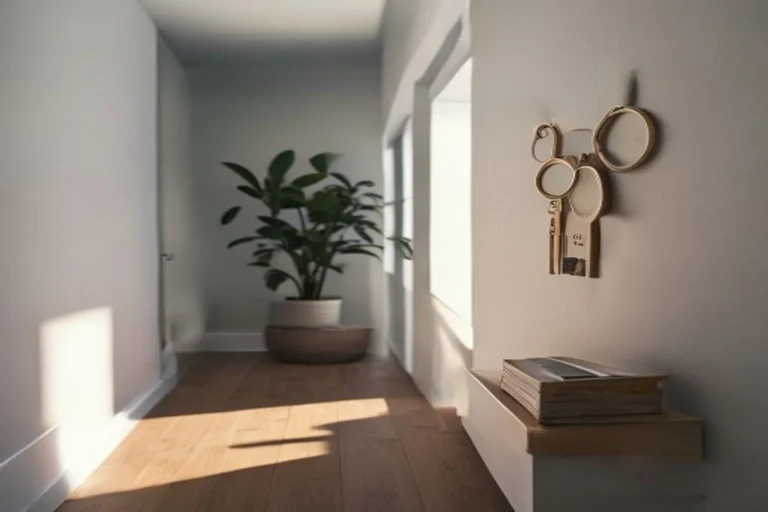
When every object has one designated spot, putting it away stops requiring a decision. You never have to “set it down for now” because there’s nowhere else for it to go.
Walk through your apartment with a notepad and write down where you actually use each item, not where it looks nice sitting. A charger that lives across the room from your bed will never make it back there at night; it belongs on the nightstand, plugged in, permanently.
2) Apply the one in, one out rule
This caps how much you own at the source. If the volume stays constant, clutter has no room to build.
Every time something new comes in, a purchase, a gift, a free tote bag, something else leaves the apartment that same day, no exceptions. The rule matters most for small things: mugs, charging cables, stray papers, plastic containers. Those are what actually pile up, not the occasional big purchase.
3) Run a 5-minute reset every day
Catching mess while it’s still small takes five minutes. Catching it after a week takes an hour, and by then it feels like a chore instead of a habit. If you haven’t built a daily reset routine yet, this is the place to start.
Pick one fixed time, right before bed or right after getting home, set a timer for five minutes, and return things to their homes until it rings. Do it especially on the days you’re tired: that’s exactly when the mess starts.
4) Keep one surface completely clear
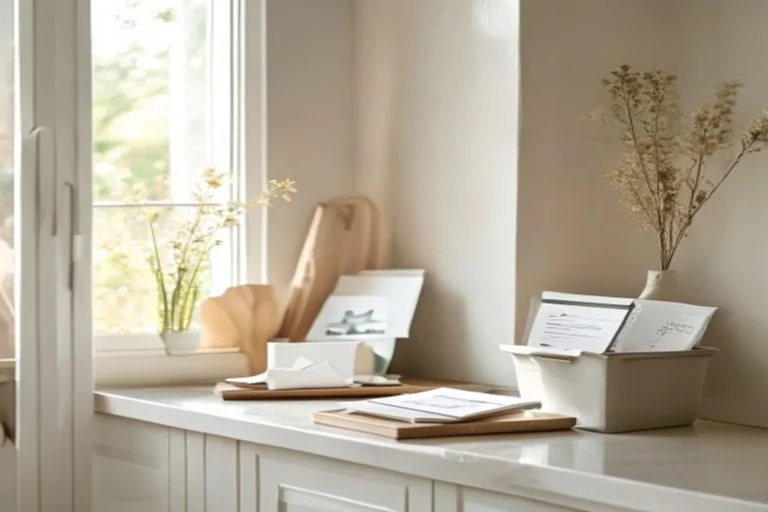
Clutter needs a flat surface to land on. Take away the surface and it has nowhere to collect.
Look at where things pile up most, usually the kitchen counter, the coffee table, or the nightstand, and pick one to keep empty except for what belongs there permanently. Clear one at a time: trying to empty every surface in the apartment in the same week rarely survives past day three.
5) Deal with it the moment it takes under two minutes
Most clutter starts as “I’ll put that away later.” Scissors left on the counter, a coat over a chair, a dish by the sink: each one takes less than two minutes to put where it belongs right now.
Treat “later” as what it actually is: never. A task that takes two minutes doesn’t deserve a spot on a mental list.
Questions about no-clutter systems
What’s the best way to keep a small apartment clutter-free?
Assign a fixed home to every item you own, run a 5-minute daily reset, and never set things down “temporarily.” Most small-space clutter builds because items have no permanent spot, so they land wherever there’s room.
How often should you declutter a small apartment?
A daily 5-minute reset prevents accumulation day to day. A deeper decluttering pass once per season is enough if you’re following the one in, one out rule consistently in between.
What happens if you don’t have a clutter system in a small apartment?
Clutter builds faster than in larger homes because there’s less space to absorb it. Small apartments have fewer overflow zones, so visible mess accumulates quickly and the space feels chaotic fast.
What are no-clutter systems for apartments?
They’re simple rules and habits that prevent mess from building up, like the one in, one out rule, fixed homes for every item, and daily 5-minute resets. They work by removing the decision-making from staying organized.
Do I need storage bins to organize a small apartment?
Not necessarily. Most clutter problems aren’t about storage capacity, they’re about too many items with no fixed home. Decluttering and building habits often works better than buying more containers.
Fewer things beat better storage
Clutter in a small apartment isn’t a cleaning problem, it’s a systems problem. Fix the system once and the mess stops coming back: you don’t need more storage, you need fewer things without a fixed home.
The single most effective move isn’t a product or a bin, it’s bringing less into the apartment in the first place. Before you buy anything, ask where it will live. If you can’t answer right away, that’s your answer.
Start with the fixed home rule this week. It takes about an hour and everything else on this list builds on it.