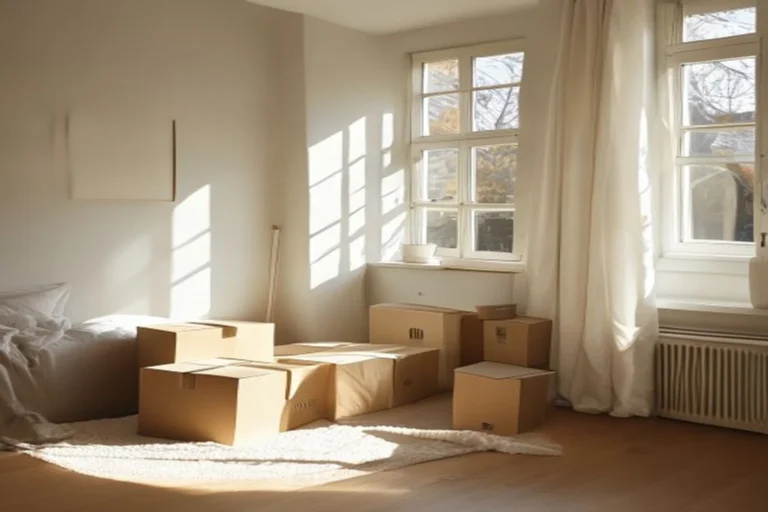
How to Clean Your Apartment When You Have Zero Motivation
The apartment needs cleaning. You know it. But you open the app instead.
It’s not laziness, it’s a friction problem. The task feels bigger than it is, and your brain picks the easier option.
Here’s how to outsmart that response.
> 💡 **Key idea:** The barrier to cleaning isn’t effort, it’s starting. Lower the starting requirement to almost nothing and the rest follows automatically.
## Quick summary (for busy people)
– ✔️ Set a 10-minute timer: you only have to do 10 minutes, no more
– ✔️ Start with the highest-visibility spot in your apartment, not the worst mess
– ✔️ Don’t change into cleaning clothes or gather supplies first: start right now
– ✔️ Most people who do 10 minutes end up doing 30 because momentum kicks in
## Why motivation doesn’t work for cleaning
Waiting until you feel motivated is a losing strategy. Motivation follows action, not the other way around.
The longer you wait to feel ready, the more the mess grows, and the more overwhelming the task becomes.
The fix is mechanical, not mental.
## 6 tactics that work when motivation is zero
### 1) The 10-minute deal
– **Why it works:** Your brain resists big tasks but accepts small ones. 10 minutes is below the resistance threshold
– **How to do it:** Set a visible timer for 10 minutes. Commit only to that. When it goes off, you’re officially allowed to stop. Most times you won’t
– **Common mistake:** Committing to “I’ll clean until it’s done.” Open-ended tasks spike resistance. Always set a time limit
### 2) Start where your eye goes first
– **Why it works:** Visible impact early creates momentum faster than tackling the worst mess
– **How to do it:** Stand at your front door. What’s the first thing you see that bothers you? Start there. Clear it. That visual win carries you to the next spot
– **Common mistake:** Starting in the bedroom because it’s the worst. You won’t see the result from the living room and it won’t feel worth it
### 3) No prep allowed
– **Why it works:** Gathering supplies, changing clothes, and “getting ready to clean” are procrastination disguised as preparation
– **How to do it:** Walk to the nearest mess right now. Pick something up. Put it where it belongs. That’s the start. Everything else follows
– **Common mistake:** “Let me just get my supplies together first.” No. Start, then get supplies if you need them
### 4) Put on something to listen to
– **Why it works:** Cleaning with nothing on feels like a chore. Cleaning with a podcast, playlist, or show feels like background activity
– **How to do it:** Before you touch anything, put in earbuds. Pick something you only listen to while cleaning. That association builds the habit faster
– **Common mistake:** Picking something too engaging that makes you stop and watch. Audio only
### 5) Commit to one surface
– **Why it works:** “Clean the apartment” is too big. “Clear the kitchen counter” is doable right now
– **How to do it:** Pick one surface, not a room, just a surface. Counter, coffee table, one shelf. Do only that. If you keep going after, great. If not, you still won
– **Common mistake:** Moving to another surface mid-task before finishing the first. Complete one thing before starting the next
### 6) Post-clean reward already decided
– **Why it works:** The brain responds to immediate rewards. If a reward is waiting, starting the task is easier
– **How to do it:** Decide before you start: when the timer ends, you make a coffee, watch one episode, or order food. The reward has to be specific and happen right after
– **Common mistake:** Vague reward (“I’ll relax later”). Specific beats vague every time
## Quick answers
### What’s the best way to start cleaning when you have no motivation?
Set a 10-minute timer and start at the most visible spot. Don’t prepare, don’t change, just start. Momentum builds within the first 3 minutes.
### How often should you clean if motivation is consistently low?
Daily 10-minute resets prevent the big motivation problem entirely. The weekly “I have no motivation” moment usually means you let too much pile up. Small daily habits eliminate the mountain.
### What happens if you never clean even with these tactics?
The mess becomes the baseline and your threshold for mess rises. That makes future cleaning feel even harder. One small start resets the baseline.
## Practical checklist
– [ ] Timer set for 10 minutes, not a second more
– [ ] Started at highest-visibility spot without any prep
– [ ] Something to listen to already playing
– [ ] One surface committed to, not the whole apartment
– [ ] Reward decided and waiting
## Common mistakes
1. Waiting to feel motivated. Start first: feeling follows
2. Preparing too much before starting. No prep allowed
3. Picking the worst mess first. Pick what’s most visible, not most urgent
## Pro tip
Leave one small thing visibly out of place before bed (like a cup on the nightstand) and put it away the moment you wake up. That one action primes your brain for tidying mode. It sounds too small to matter. It isn’t.
## Conclusion
Zero motivation is a starting problem, not a willpower problem. Ten minutes. One surface. No prep. Start right now and the rest takes care of itself. The apartment doesn’t know you weren’t motivated, and once it’s clean, you won’t remember you weren’t either.
If this helped, try these
- The 30-Min Start Here Plan for a Messy Apartment
- The 5-Minute Walkthrough That Makes Every Cleaning Session Work
- From Messy to Livable: A 7-Day Reset Plan
## FAQ
### Is it normal to never feel like cleaning?
Yes, and it’s not a character flaw, it’s how brains respond to large unstructured tasks. The solution isn’t more motivation, it’s smaller starting conditions.
### What if 10 minutes feels like too much?
Start with 2 minutes. Seriously. Pick up 5 things and put them away. That’s it. The bar just needs to be below your resistance threshold, wherever that is today.
### Does listening to music actually help?
Yes. Studies on task engagement show that background audio reduces the perceived effort of repetitive physical tasks. It works, use it.