The Drawer-by-Drawer Method: A 30-Day No-Clutter Reset
In this article
Every drawer starts organized. Then a month passes and it becomes a mystery box you open with one finger and shut immediately. The kitchen junk drawer alone holds items from three addresses ago.
The Drawer-by-Drawer Method resets one drawer per day over 30 days. No weekend purge. No entire apartment overhaul. Just one drawer, 15 minutes, and a cleaner apartment building silently underneath your daily life.
💡 Key idea: Apartment clutter lives in layers. Drawers are layer two. Clean them one at a time and the chaos has nowhere left to hide.
Quick summary
- ✔️ One drawer per day, never more
- ✔️ Empty it completely before putting a single item back
- ✔️ Every item needs a reason to return to that specific drawer
- ✔️ Day 30 is a full reassessment, not a repeat
Why the Drawer-by-Drawer Method beats a full apartment reset
Full apartment resets fail because they are exhausting and binary. Either the whole apartment is perfect or it feels like a failure. Small wins are not counted.
One drawer per day is different. Each drawer is a complete, finished win. That finished feeling compounds across 30 days. By the end, every storage space in your apartment has been touched, emptied, and intentionally refilled.
How to run a 30-day drawer reset
1) Map every drawer in order of frustration
- Why it works: Starting with the most annoying drawer gives you an immediate payoff and motivates the rest of the month.
- How to do it: Walk through your apartment and list every drawer. Kitchen, bathroom, bedroom, desk. Rank them from most chaotic to least. Work in that order.
- Common mistake: Starting with an easy drawer to warm up. Start hard. The win feels bigger and the habit sticks faster.
2) Empty completely before sorting
- Why it works: You can’t see what you actually have until it is all out at once. Hidden duplicates, dead batteries, and mystery items only reveal themselves when everything is on a flat surface.
- How to do it: Pull everything out. Lay it on the kitchen table or floor. Sort into three groups: keep in this drawer, move somewhere else, trash.
- Common mistake: Sorting while pulling items out. You make slower decisions and miss duplicates buried underneath.
3) Give every returning item a job
- Why it works: Items that “might be useful” are the root of drawer clutter. If an item has no specific job in that drawer, it has no reason to return.
- How to do it: Before putting each item back, name its job. “This tape dispenser is for packages.” “These batteries are for the remote.” If you can’t name the job, it goes.
- Common mistake: Keeping multiples because “you might need a backup.” If you own 7 pens, keep 3 and toss the rest.
4) Use a simple divider system
- Why it works: Items without assigned lanes drift. A basic divider keeps categories separated so the drawer stays sorted without effort.
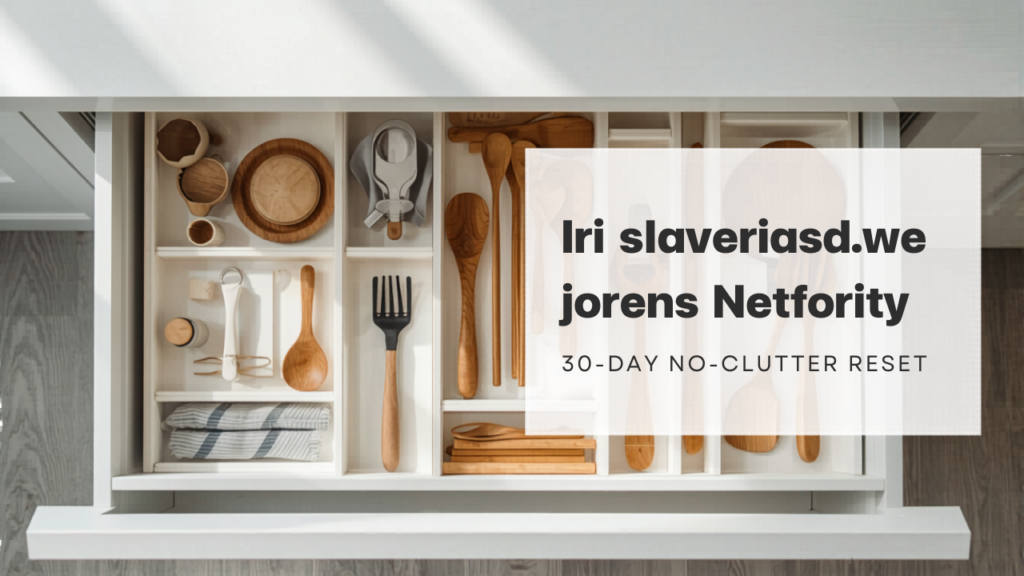
- How to do it: Small bamboo or plastic drawer dividers from any dollar store. Group by use, not by type. “Daily use” zone front. “Rarely needed” zone back.
- Common mistake: Over-categorizing. Three to four zones per drawer is the limit. More zones creates a system too complex to maintain.
Drawer method questions
What is the best way to declutter drawers in a small apartment?
One drawer per day, emptied completely, with every item requiring a named purpose to return. This method beats a full weekend purge because it is sustainable and each drawer stays organized independently.
How often should you reset apartment drawers?
A full drawer reset once a year is enough if you do a 30-day pass. Monthly spot checks for the highest-traffic drawers, like the kitchen junk drawer, keep them from reverting.
What happens if you skip the drawer-by-drawer system?
Items accumulate in layers over 12 to 18 months until drawers stop closing cleanly. At that point, a full reset takes an entire weekend rather than 30 fifteen-minute sessions.
How many drawers does the average apartment have?
Between 15 and 25, counting kitchen, bathroom, bedroom, and desk. At one per day, most apartments complete a full reset in 3 to 4 weeks.
What should go in the kitchen junk drawer?
Nothing. The junk drawer is a myth that functions as a clutter magnet. Replace it with a small tray for batteries, one for takeout menus or coupons, and clear the rest. Named zones, not a junk category.
Can I do this method with a partner or roommate?
Yes, but do your own drawers only. Sorting another person’s belongings creates conflict. Each person owns their reset, you share the schedule.
What do I do with items that have no home after the reset?
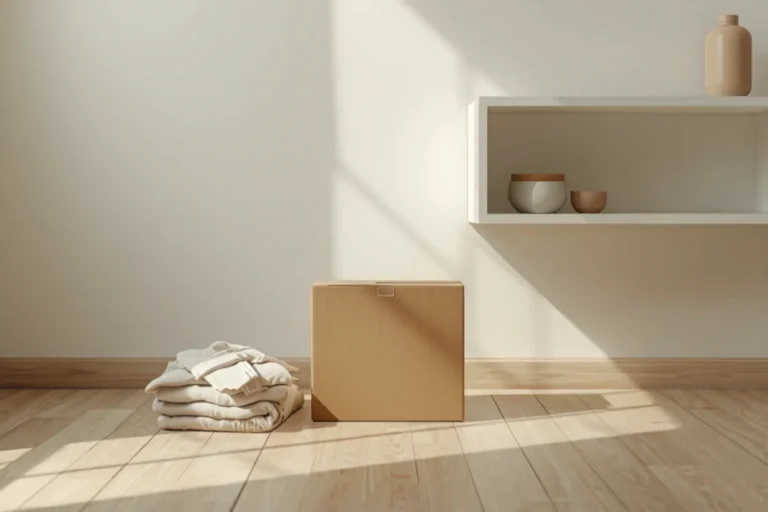
Box them. If you don’t miss anything in the box after 30 days, donate the box without opening it. This is the fastest decision method for items that feel hard to release.
Quick checklist
- [ ] All drawers listed and ranked by chaos level
- [ ] Daily drawer emptied completely before sorting
- [ ] Every returning item has a named job
- [ ] Dividers or zones in place before items go back
Avoid these
- Doing two drawers in one day. The method only works if it is daily and finite. Two drawers feels like a chore.
- Keeping a “miscellaneous” zone in each drawer. Miscellaneous zones fill to capacity within two weeks.
- Skipping the bathroom drawers. They accumulate expired products and duplicate items faster than any other room.
Small detail, big difference
Before closing a freshly reset drawer, take a photo of the contents laid out neatly. Six months from now you can open that photo and see exactly what belongs there and where each item lives. One photo per drawer replaces every organization label system you’ve ever tried.
One drawer a day for a month
Drawer clutter is patient. It builds slowly, hidden from view, until the whole apartment feels heavy and disorganized. The Drawer-by-Drawer Method clears it without a single overwhelming weekend clean.
Pick your worst drawer tonight. Set a 15-minute timer. Empty it completely. By the end of the month, you will live in a different apartment without moving.