How to Set Up a Shared Apartment When Two People Have Different Styles
In this article
- The gist
- Step 1: Map Out What's Shared and What's Personal
- Step 2: Set Clear Standards for Shared Zones
- Step 3: Give Each Person Actual Personal Space
- Step 4: Blend Styles Visually Without Compromise Wars
- Shared apartment questions
- Your checklist
- Avoid these
- One thing that helps
- Agree on the baseline, not the taste
- Related posts
How to Set Up a Shared Apartment When Two People Have Different Styles
Slug: set-up-shared-apartment-different-styles
Meta description: Living with someone who has a completely different sense of style? Here’s how to set up a shared apartment that actually works for both of you.
One person wants minimal. One person wants cozy. One person keeps everything on the shelf; the other hides things in drawers. Living together in a small apartment with different organization styles isn’t about one person winning. It’s about finding a system that doesn’t require either person to constantly fight their instincts.
Most shared apartment arguments about organization come from unclear expectations, not genuine incompatibility. A few clear agreements fix most of it.
💡 Key idea: You don’t have to agree on everything. You have to agree on the shared spaces and respect each other’s personal zones.
The gist
- ✔️ Define shared zones and personal zones clearly from the start
- ✔️ Shared zones need agreed-upon rules; personal zones can operate however works for each person
- ✔️ Blend styles visually in the shared space by focusing on neutrals and texture rather than competing aesthetics
- ✔️ Systems work better than style agreements: the right storage solves more than any design compromise
Step 1: Map Out What’s Shared and What’s Personal
In almost every small apartment, the kitchen and bathroom are fully shared. The bedroom is typically personal (or split between two people, making it shared but intimate). Living areas are shared but often each person has a “side.”
Write down exactly what’s shared. Then write down what each person can claim as their own. This sounds obvious but most couples skip it, which means everything becomes a negotiation.
Step 2: Set Clear Standards for Shared Zones
Kitchen
- Why it matters: The kitchen is where most conflicts happen. One person washes dishes before bed; the other prefers to do it in the morning. One puts things away immediately; the other leaves things “to dry” on the counter for two days.
- What to agree on: Pick one standard: dishes done before bed, or dishes done within X hours of using them. Pick one rule about the stovetop. Set a clear decision on what lives on the counter and what gets stored. Write it down and refer to it when you disagree, not in the moment of conflict.
Bathroom
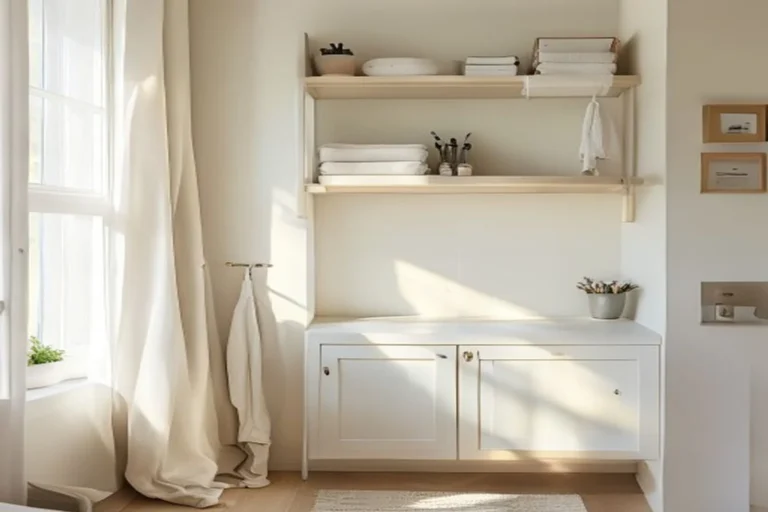
- What to agree on: Counter space allocation. Who keeps what where. How often the toilet gets cleaned and who does it. A small basket or shelf unit that gives each person their own designated space inside a shared bathroom solves most conflicts before they start.
Living areas
- What to agree on: The baseline “clean” state: what does the living room need to look like for both people to feel comfortable having people over, and for both to feel at home? That baseline is the shared standard. Everything above that is personal choice.
Step 3: Give Each Person Actual Personal Space
In a small apartment, this might be one shelf, one drawer, or one side of the closet. The physical space matters less than the psychological clarity: this is yours to organize however you want, and neither of us comments on it.
A person who knows they have a drawer that can be whatever they need it to be is far less likely to claim the coffee table as overflow storage.
Step 4: Blend Styles Visually Without Compromise Wars
Neutral base, personal accents
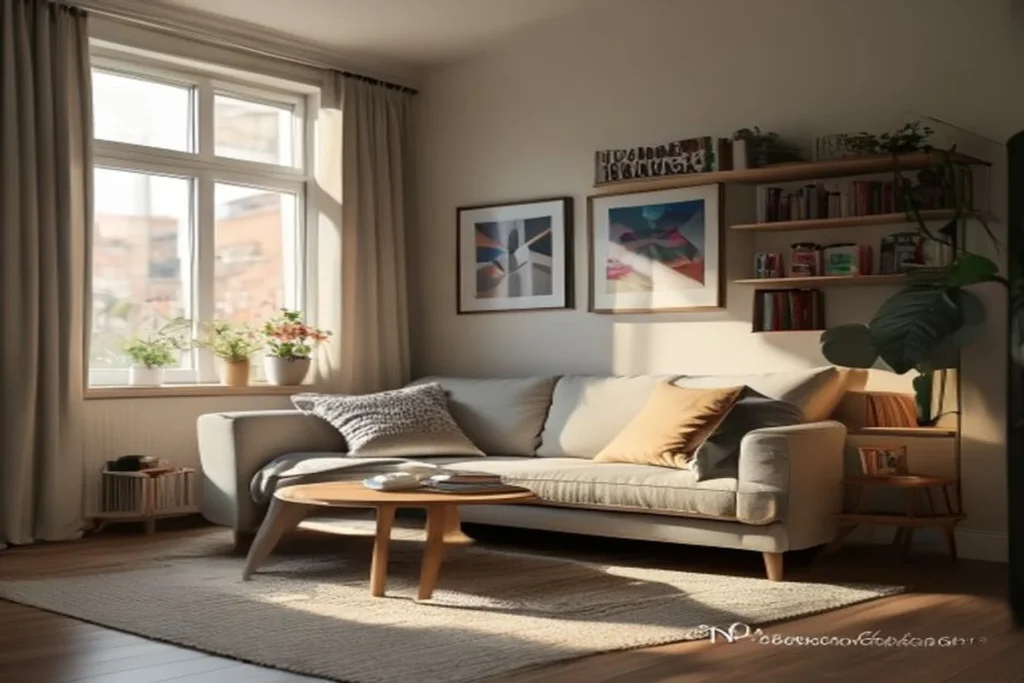
- Agree on neutral colors for the large items (sofa, rugs, walls if you can paint). Within that neutral foundation, each person’s style shows up in accent pieces: pillows, art, plants, books on display. The space feels coherent because the base is neutral, and individual because the details are personal.
Two styles can work together when they share materials
- A minimalist and a maximalist can coexist when they both like natural wood, plants, and warm tones. Finding the material language you both connect with matters more than finding a “style label” you agree on.
Designated zones for display
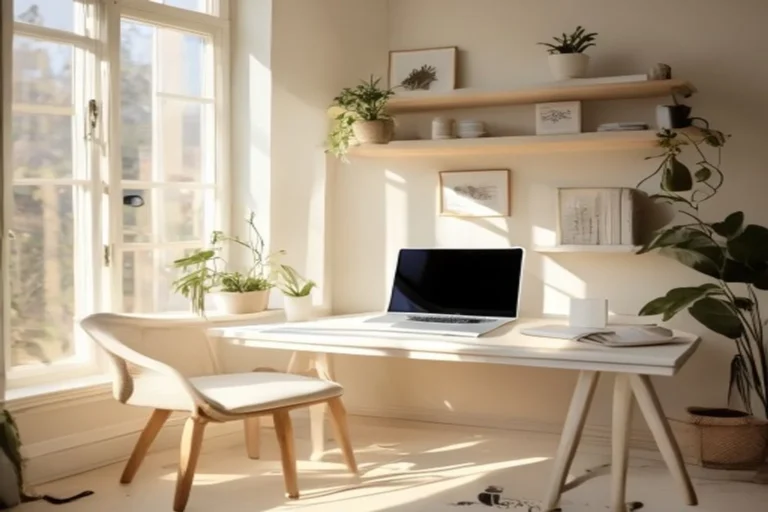
- Give each person a surface or wall where their stuff goes. One person’s shelf for their books and objects; another shelf for the other person’s. Both visible, both distinct, both respected.
Shared apartment questions
What’s the most common source of organization conflict in shared apartments?
Undefined standards for shared spaces. When each person has a different mental model of what “clean enough” means, conflict is constant. Making the definition explicit (even if it requires some negotiation) stops the underlying issue cold. The conflict isn’t usually about the dishes; it’s about the implicit expectations around them.
What if one person is naturally much cleaner than the other?
The cleaner person sets the standard and the less-organized person commits to meeting it in shared spaces. This only works if the cleaner person is willing to accept “good enough” rather than “perfect” and the other person is genuinely committing, not just agreeing verbally. If the gap is extreme, a division of labor that plays to strengths (one does daily tidying, the other does deep cleaning) often works better than expecting both people to do the same things the same way.
Is it worth hiring a cleaner for a small apartment?
Yes, if it removes a recurring conflict. A cleaner handles the deep clean portion, and both people only need to maintain the daily tidy. It removes the negotiation over who’s responsible for the scrubbing, which is often where the real conflict lives.
What if my roommate refuses to agree on any shared standards?
That’s a compatibility problem, not an organization problem. If someone won’t agree to basic shared standards in writing, you’re unlikely to resolve the conflict through clever system design. This conversation needs to happen before move-in rather than after, but if you’re already in it, a frank conversation about whether the living arrangement is working is the necessary next step.
Your checklist
- ☐ List every space in the apartment and classify as shared or personal
- ☐ Write explicit standards for each shared zone
- ☐ Designate personal storage space for each person
- ☐ Agree on a neutral visual base for shared furniture
- ☐ Review the agreements after 60 days and adjust what isn’t working
Avoid these
- Expecting the other person to naturally have the same standards without discussing them explicitly.
- Not giving each person any truly personal space, which creates constant negotiation pressure.
- Trying to reach design agreement on everything rather than establishing a neutral base and letting accents be personal.
One thing that helps
Schedule a 15-minute monthly “apartment check-in” conversation. Not in the middle of a mess, proactively, when things are going fine. Ask what’s working and what isn’t. Adjusting the system when there’s no active conflict is much easier than renegotiating during a fight about the dishes.
Agree on the baseline, not the taste
Sharing a small apartment with different styles is workable when shared zones have explicit standards, personal zones have real autonomy, and the visual space is built on a neutral foundation both people can accept. Most of the friction comes from unclear expectations, not genuine incompatibility. A conversation and some written agreements fix far more than any interior design compromise.