The First Apartment Setup Order That Actually Works
In this article
Moving into a first apartment with barely any furniture is the easy part. The hard part is that empty space fills up with cheap stuff you’ll regret in six months. Most new renters buy in the wrong order and end up with half-useful rooms and drawers full of things they never use.
This is the order to buy things when you’re setting up a small apartment with a real budget. Not the Pinterest order. The actual one that makes daily life work.
💡 Key idea: Buy in the order you use things daily. The items you touch every morning matter more than the items you show guests twice a year.
Skim this
- ✔️ Start with sleep, shower, and cooking before anything decorative
- ✔️ Cheap versions of essentials beat expensive versions of extras
- ✔️ Buy storage last, after you know what you actually own
- ✔️ Skip a dining table in the first month, live out of the counter
Why most first apartment setups go wrong
The first week in a new place feels like a shopping montage. You want it to feel like yours so you buy a rug, a coffee table, a throw pillow. Three months in, you realize the kitchen has no spatula and the bedroom has no blackout curtain.
The fix is boring but works. Set up in the order your body uses the apartment. Sleep, shower, cook, sit, work. Decorate last, once you know how you actually live in the space.
The small-space setup order that actually works
1) Day 1: Sleep
- Why it works: Bad sleep kills the first week in a new place. A good mattress and blackout curtains matter more than everything else combined.
- How to do it: Bed frame, mattress, two sets of sheets, one blackout curtain panel per window. Done. Skip the headboard, skip the matching set, skip the bed skirt.
- Common mistake: Buying a bed-in-a-bag thing that doesn’t fit or wash well. Two decent sheet sets you actually use beats one fancy set you baby.
2) Day 2: Shower and bathroom basics
- Why it works: Morning routine lives or dies on bathroom setup. Missing items here you feel every single day.
- How to do it: Shower curtain, bath mat, hand towel, bath towel, toilet paper holder works or buy a free standing roll, basic toiletries, a small trash can.
- Common mistake: Forgetting the shower curtain liner. The outer curtain is decorative, the liner keeps water off the floor.
3) Day 3-4: Kitchen on a 4-shelf limit
- Why it works: Small kitchens drown in duplicates. Constraint forces good choices.
- How to do it: One pan, one pot, one knife, one cutting board, one colander, four plates, four bowls, four glasses, four sets of cutlery. That’s it for month one.
- Common mistake: Buying a 25-piece starter set. Half of it sits in a drawer forever and you lose storage space.
4) Day 5-7: Work and sit
- Why it works: You need one good chair and one flat surface. Not two couches, not a dining set, not a coffee table.
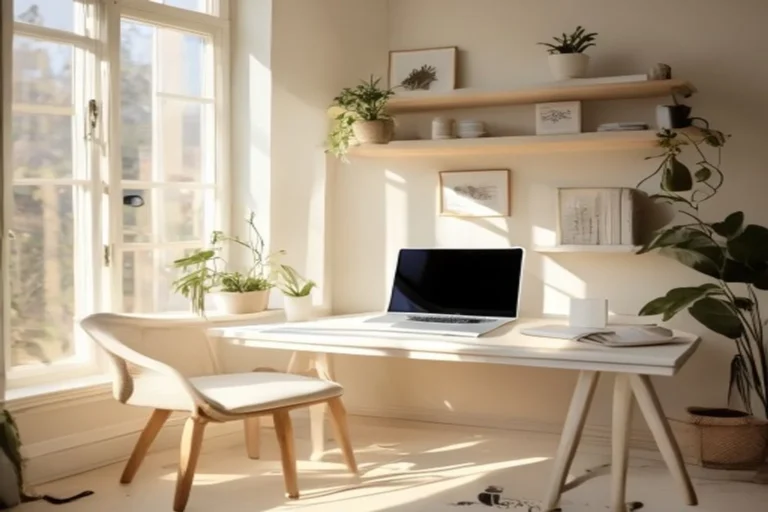
- How to do it: If you work from home, a desk chair that doesn’t hurt. A folding desk if space is tight. Skip the couch for week one, buy it after you know where the outlets and light actually are.
- Common mistake: Ordering a huge couch before measuring the door frame. Ask every first apartment horror story, it’s always the couch.
5) Week 2: Storage after you know what you own
- Why it works: Empty bins and baskets are a trap. You only know what storage you need after living with your stuff for a week.
- How to do it: Watch where clutter piles up in week one. That’s where storage goes. Not where Pinterest says.
- Common mistake: Buying matching bins for every shelf before you know what goes where. Empty bins become clutter magnets.
Setup order questions
What’s the best way to set up a first apartment fast?
Set up one zone per day in the order your body uses them: sleep, shower, cook, sit. That way each night you sleep with at least one area actually working.
How often should you buy new apartment stuff after move in?
Wait 30 days before major purchases. You’ll see what you actually need versus what felt urgent in week one. Most week one urgent buys go unused.
What happens if you skip the small-space setup order?
You end up with a decorated apartment that doesn’t function. A rug and a candle won’t help when your kitchen doesn’t have a pan. Function first, decor last.
How much should I budget for a first apartment setup?
Enough for the 5 zones above, nothing more in week one. That’s usually 30% of what people spend. The rest is stuff you’ll figure out from living there.
Should I buy new or used for a first apartment?
Used for anything structural like furniture, bed frames, desks. New for anything that touches your skin or food like mattress, sheets, pans, knives. That mix stretches the budget the furthest.
When should I add decor to the small-space setup?
After 30 days. By then you know which walls catch light, where you actually sit, and which surfaces stay cleared. Decor works when it lands in spots you already use.
Run through this
- Mattress, frame, two sheet sets, blackout curtain
- Shower curtain, liner, towels, bath mat, trash can
- One pan, one pot, one knife, four plates, four bowls, four cups, four sets of cutlery
- One chair that supports your back for work or meals
- Storage bought week two based on where clutter actually landed
Where people go wrong
- Buying decorative before functional. The apartment looks nice and feels broken.
- Getting a starter kitchen set. Most of it lives in a drawer untouched.
- Ordering big furniture before measuring doors, hallways, and elevators. Return fees and resale losses stack up fast.
A trick worth knowing
Walk through your old place or your parents’ place and make a list of what you actually touched in the last week. That’s your real first apartment list. Everything else is optional.
Order is the whole trick
A first apartment setup works when you buy what matches your real life, not someone else’s feed. Sleep, shower, cook, sit, work. In that order. Decorate after a month when you know the apartment breathes with you.
The best first apartment feels half finished the first week on purpose. That space is for the stuff you’ll find out you need only by living there.