Paper Clutter: A Simple System to Handle Mail and Documents
In this article
Paper clutter sneaks up on you. One day the counter is clear, the next there’s a stack of mail, a receipt pile, and a school form you swore you’d deal with. In a small apartment, that pile takes over fast because there’s nowhere to hide it. The good news: you can fix paper clutter with one simple mail system that takes about ten minutes to set up and a couple of minutes a day to run.
This works even if you’re busy and even if you’ve ignored the pile for weeks. You don’t need a filing cabinet or a label maker. You need a spot, a few rules, and the will to touch paper once instead of five times.
Key idea: Most paper clutter comes from not deciding, so build a tiny system that forces a quick decision the moment mail walks in the door.
Quick summary
- Open mail next to the trash and recycling so junk never lands on a surface.
- Sort everything into just three buckets: act, file, toss.
- Keep one small “act” tray and clear it once a week, same day every week.
- Go paperless on bills and statements so less paper shows up at all.
Why a mail system beats a cleanup
Cleaning the pile feels good for a day. Then the pile comes back, because nothing changed about how paper enters your home. A system is different. It catches paper at the door and routes it before it can spread across the kitchen table or the couch.
The whole point is to remove the decision fatigue. When you don’t have a place for something, you set it down “for now,” and “for now” turns into a mountain. A mail system gives every piece of paper an obvious home the second it arrives. You stop re-sorting the same envelope over and over.
The 4 parts of a simple paper system
1) The landing spot
Why it works: Paper needs one entry point. If mail can land in three places, it lands in all three. One spot means one pile to manage, never a scavenger hunt.
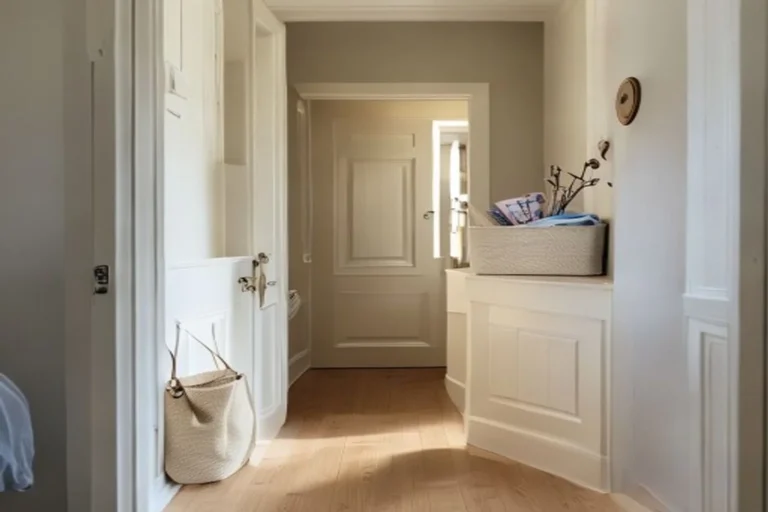
How to do it: Pick the spot where mail naturally ends up, usually near the door or the kitchen counter. Put a small tray or a single basket there. That’s your inbox. Every piece of paper goes there first, no exceptions.
Common mistake: Making the landing spot too big. A giant basket invites you to dump and forget. Keep it small so it fills up and reminds you to deal with it.
2) The three-bucket sort
Why it works: Most paper falls into three jobs: it needs an action, it needs to be kept, or it’s garbage. Three buckets is easy to remember, so you actually use it.
How to do it: Sort each piece into act (pay, sign, reply), file (keep for records), or toss. Do this standing up, fast. Don’t read the whole catalog. Glance, decide, move on.
Common mistake: Adding a “maybe” pile. Maybe is where paper goes to die. If you can’t decide in two seconds, it’s act, and you’ll deal with it at your weekly clear-out.
3) The act tray
Why it works: The things that need you (bills, forms, RSVPs) are the dangerous ones. A dedicated tray keeps them visible and in one place so nothing gets lost behind a magazine.
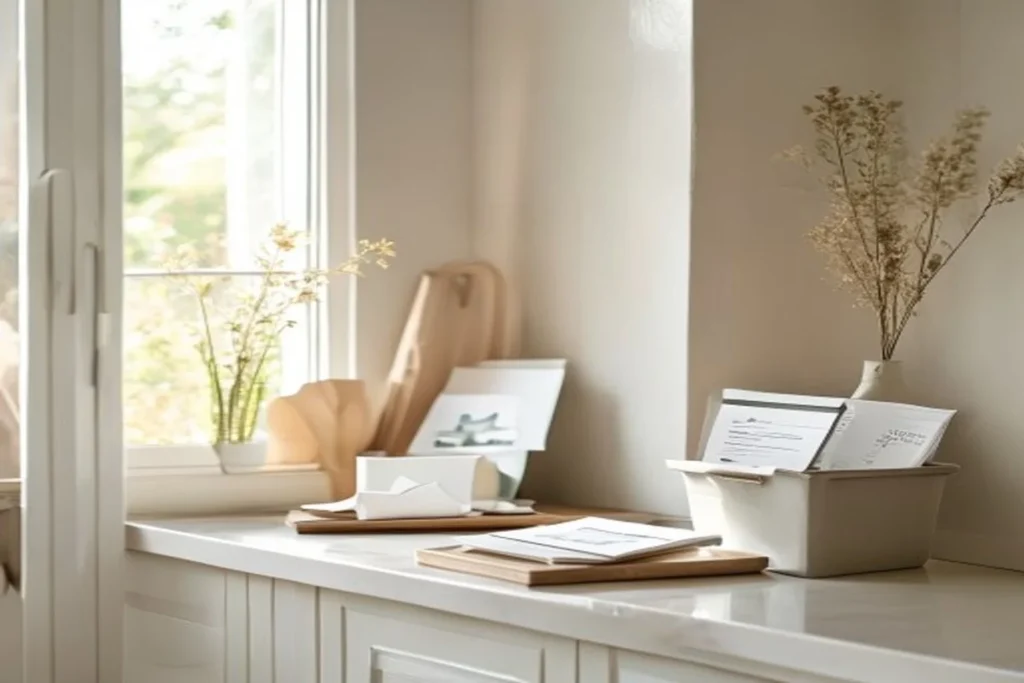
How to do it: Use one small tray or a vertical file holder for act-items only. Keep it where you’ll see it daily. Set a weekly “paper day,” same day every week, to empty it completely.
Common mistake: Letting the act tray double as long-term storage. It’s a to-do list, not a filing cabinet. If something’s been sitting there two weeks, you’re either avoiding it or it belongs in file.
4) The keep folder
Why it works: You only need to keep a handful of papers: lease, insurance, tax docs, warranties. A single folder holds all of it without taking over a drawer.
How to do it: Get one accordion folder or a few labeled folders. Drop in the documents you’d panic about losing. Snap a photo of important ones with your phone as a backup. Everything else gets tossed or scanned.
Common mistake: Keeping paper “just in case.” Old utility bills, expired coupons, manuals for things you no longer own. If you can find it online, you don’t need the paper version.
Paper system questions
How do I stop mail from piling up?
Open it the day it arrives, standing next to the recycling. Toss junk immediately and route the rest into act, file, or toss. The pile only grows when you delay the decision.
What papers should I actually keep?
Keep your lease, insurance policies, tax records, ID documents, and warranties for big purchases. Most everything else can be tossed or saved digitally. When in doubt, photograph it and recycle the paper.
How long should I keep old documents?
Tax records are usually worth keeping for several years, and lease or insurance papers stay while they’re active. Receipts for returns can go once the return window closes. Shred anything with your account numbers or address before tossing.
Where should I put my mail system in a small apartment?
Right where mail already ends up, usually near the door or the kitchen counter. The closer it is to your entry point, the more likely you’ll actually use it.
Do I really need to go paperless?
It’s optional, but it cuts the problem at the source. Fewer bills and statements in the mail means a smaller pile to sort, which makes the whole system easier to keep up.
What if I already have a huge backlog of paper?
Set a timer for twenty minutes and run the same three buckets: act, file, toss. Don’t aim to finish in one go. A few short passes will clear the backlog without burning you out.
Run through this
- Set up one landing tray near the door or counter today.
- Open mail next to the trash and recycling, every time.
- Pick a weekly paper day and clear the act tray on it.
- Switch your top three bills and statements to paperless this week.
The usual missteps
- Letting mail land in multiple spots, so paper spreads instead of stacking in one place.
- Creating a “maybe” pile that never gets sorted and quietly becomes the new clutter.
- Keeping paper you could find online, which fills your folder with stuff you’ll never read again.
Small detail, big difference
Handle each piece of paper once. The reason clutter wins is that you pick up the same envelope three times before doing anything with it. When you grab a piece, decide right then: act, file, or toss. Touching it once is the single habit that keeps paper from building back up.
Act, file, or bin
Paper clutter isn’t a cleaning problem, it’s a decision problem. Set up a landing spot, sort into three buckets, keep an act tray and one keep folder, and the pile loses its power. Start with the smallest step today: put a tray by the door and open your next stack of mail standing next to the recycling. Run it for two weeks and the system runs itself.